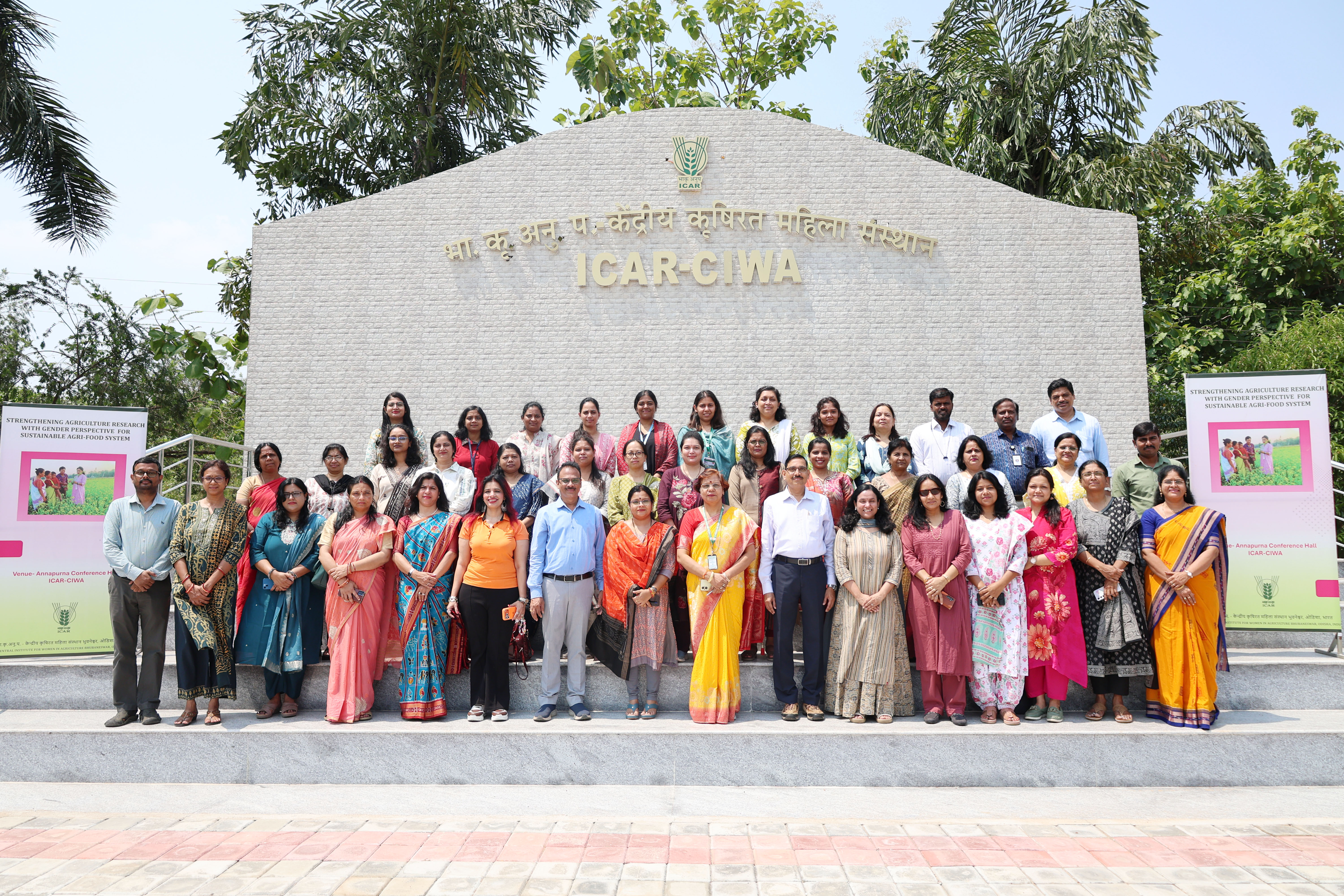
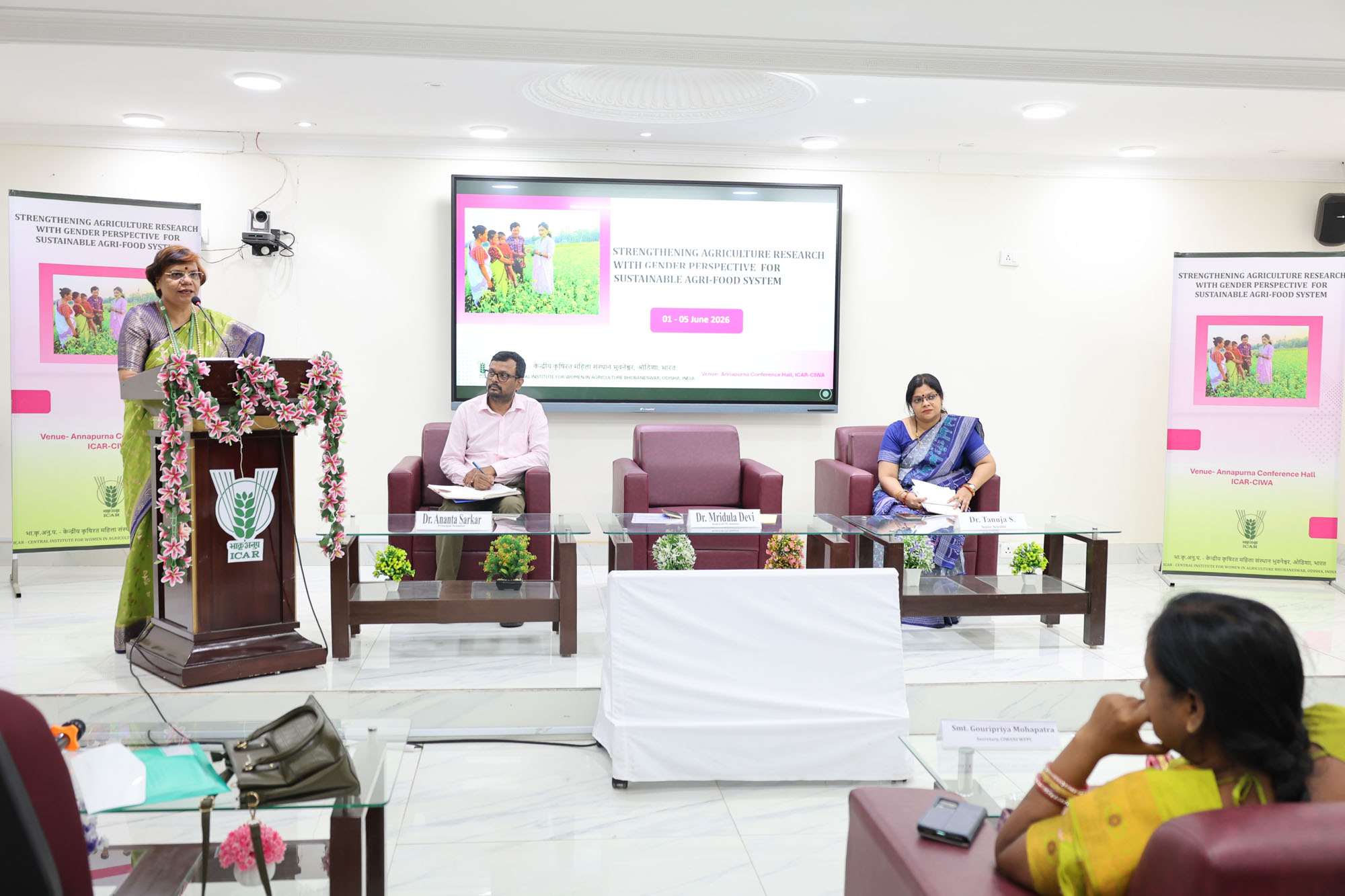
| ICAR-Central Institute for Women in Agriculture (ICAR-CIWA) organized a five-day training programme on ‘Strengthening Agriculture Research with Gender Perspective for Sustainable Agri-Food Systems from 1-5 June 2026 for Nodal and Co-Nodal Officers – Gender Research in Agriculture (NO-GRA). The programme brought together 37 participants from various ICAR institutes across the country with the objective of strengthening their capacities to integrate gender perspectives into agricultural research, education, and extension systems. |
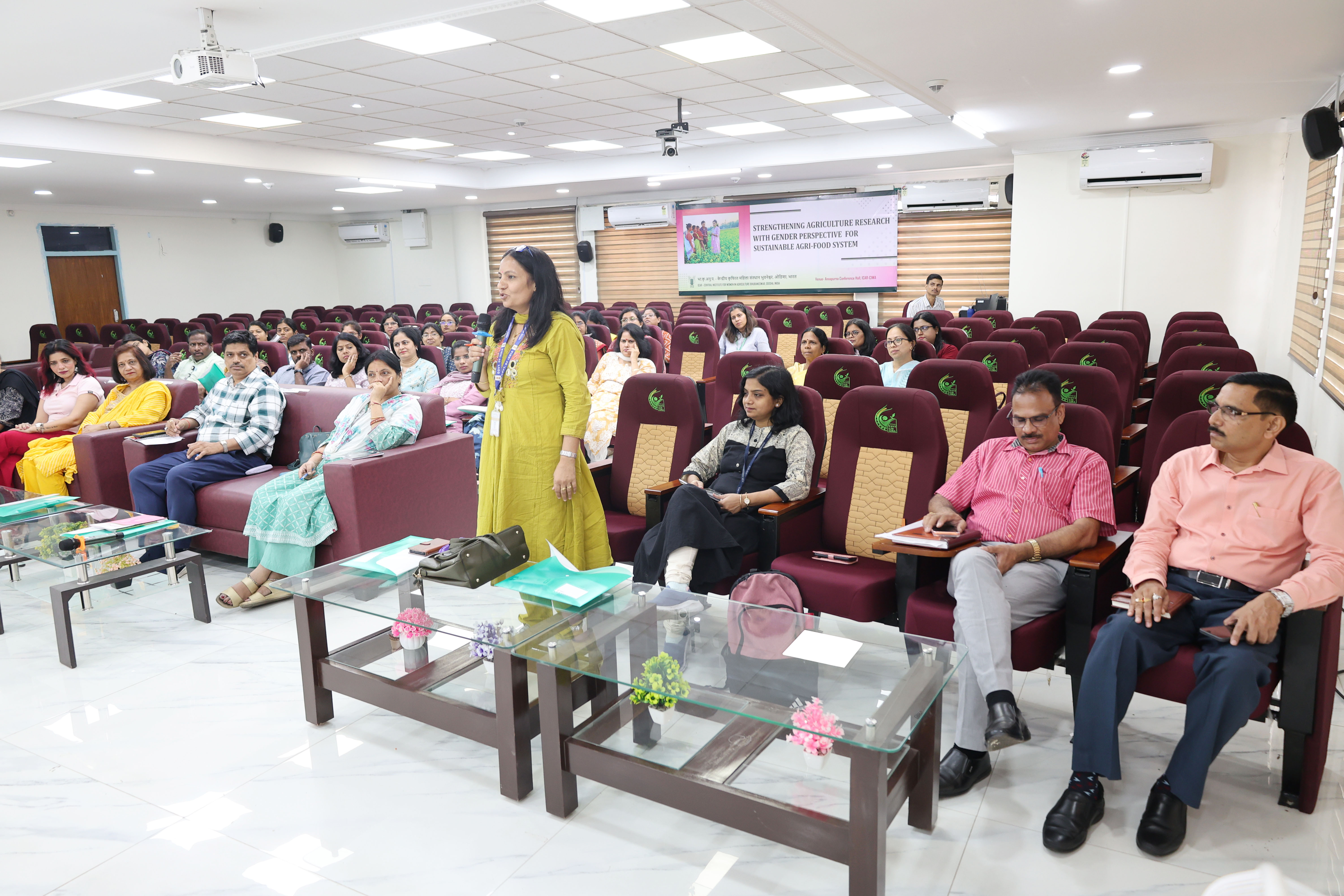
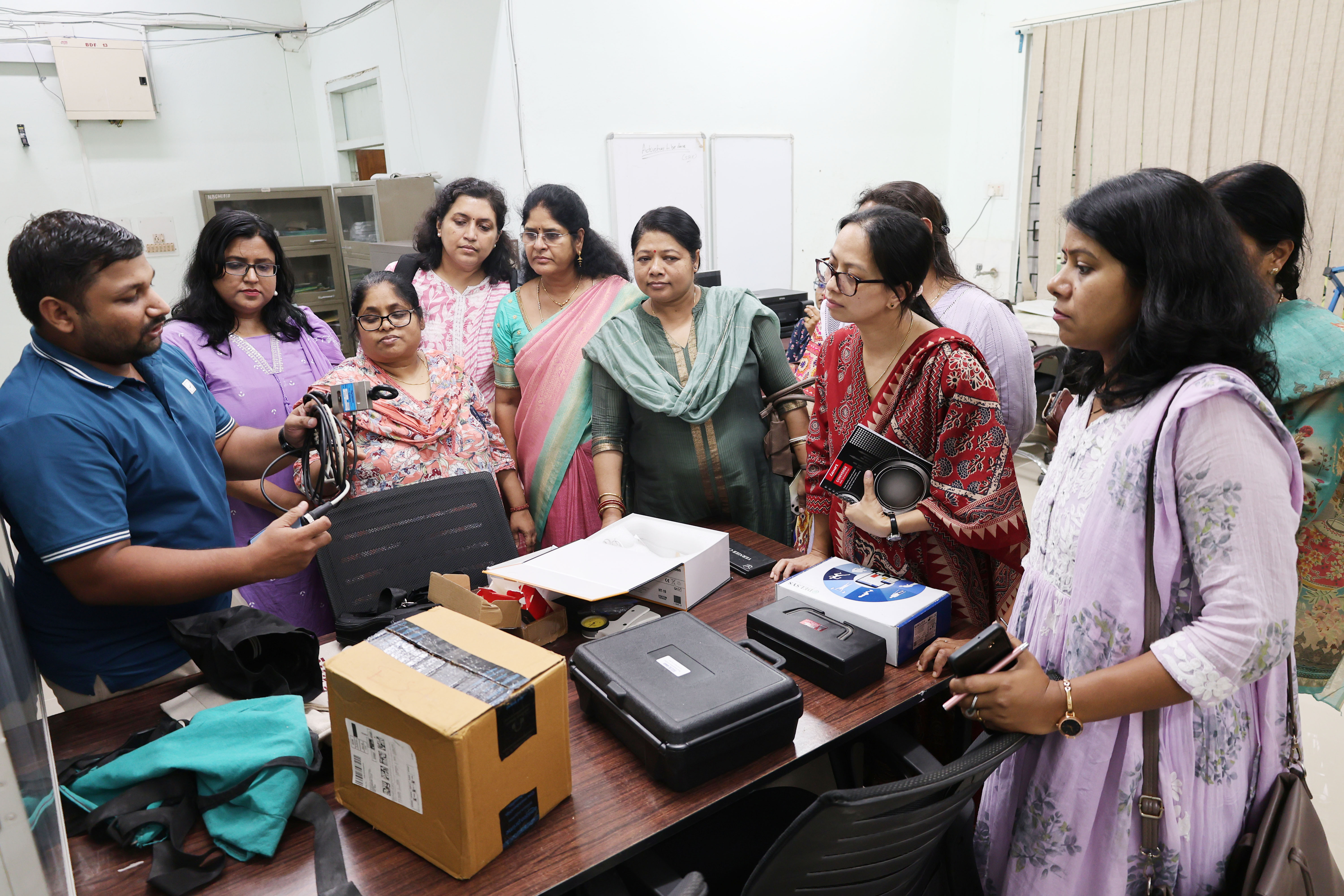
| The training programme comprised a blend of expert lectures, practical sessions, group exercises, interactive discussions, and experience-sharing sessions. Participants gained valuable insights into gender-responsive agricultural research and extension approaches, the National Information System for Women in Agriculture (NISWA), integration of gender perspectives in climate-smart and nutrition-sensitive agriculture, women-friendly farm tools and their ergonomic evaluation, and gender-sensitive extension models. Special emphasis was placed on gender-transformative research approaches that address social norms, institutional practices, and women's participation and leadership in agriculture. |
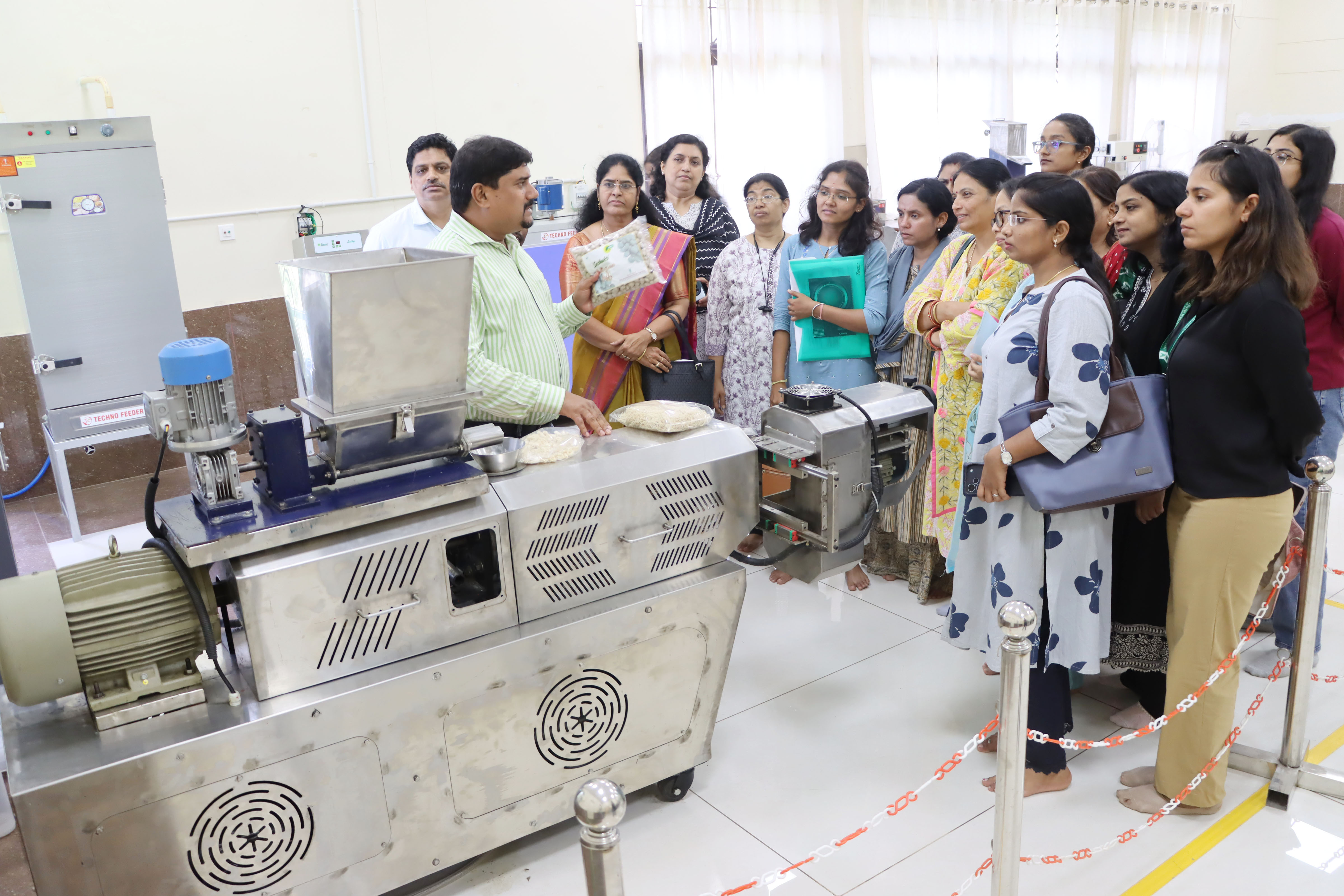
| A key feature of the programme was its strong focus on experiential learning. Participants engaged in hands-on exercises to assess the gender responsiveness and women-friendliness of agricultural technologies and participated in group activities aimed at developing gender-responsive research and extension proposals. The learning experience was further enriched through interactions with successful women entrepreneurs, including Ms. Nikki Pilania Choudhary (CEO, Mango Diaries) and Ms. Aparna Rajagopal (Founder Director, Beejom), who shared their entrepreneurial journeys and insights. In addition, institutional success stories presented by Mrs. Neelam Tyagi (Secretary, LJKSS), Mrs. Gouripriya Mohapatra (Secretary, CIWANI WFPC), and Mrs. Tilottama Majhi (Secretary, Maa Tarini SHG) facilitated meaningful knowledge exchange on scaling agribusiness ventures and community-led development models. |
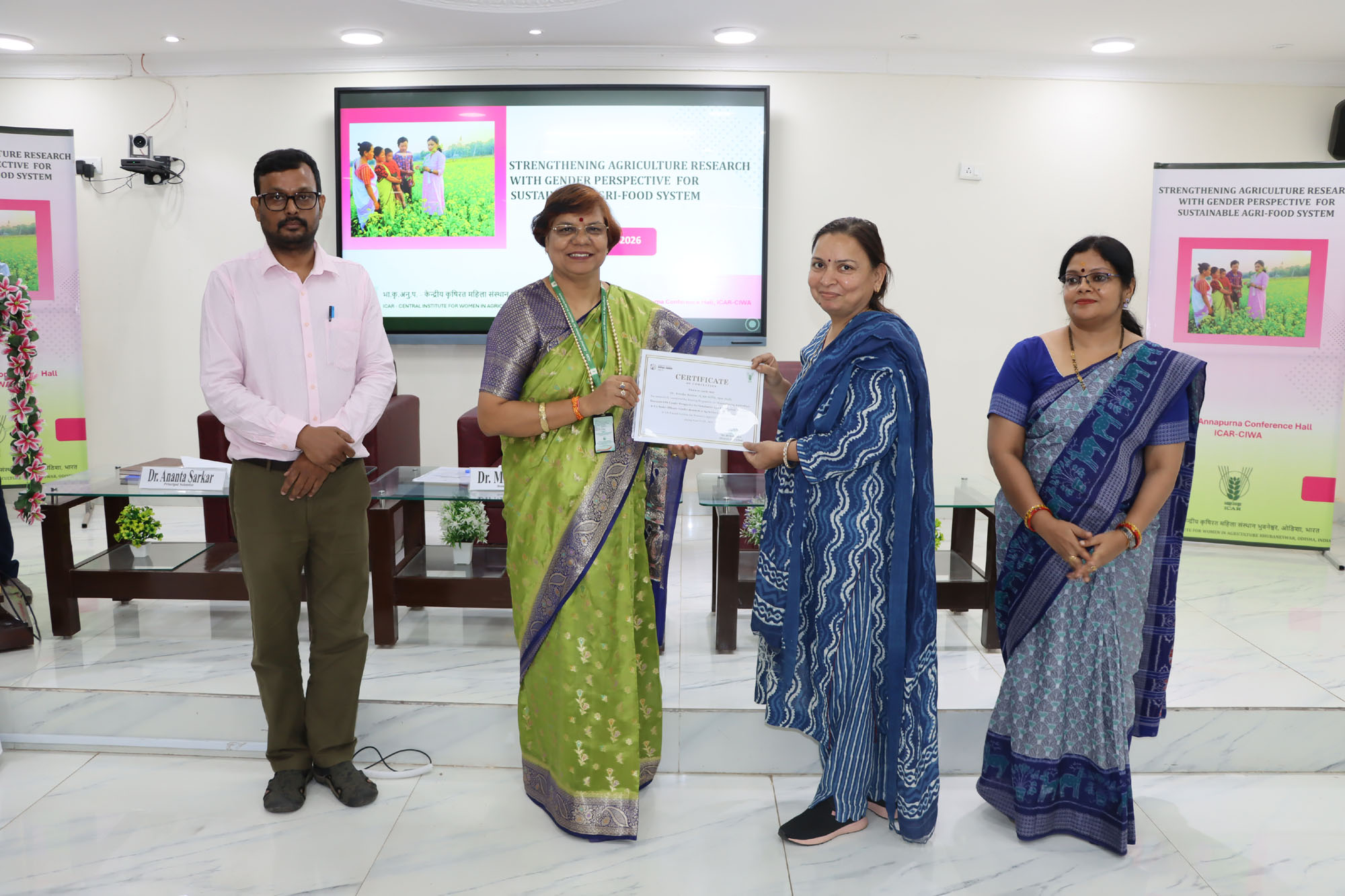
| The programme concluded with post-training evaluation and valedictory sessions, during which participants presented action plans for mainstreaming gender perspectives within their respective institutes. Overall, the training programme significantly enhanced the knowledge, skills, and confidence of the Nodal and Co-Nodal Officers – Gender Research in Agriculture (NO-GRA) to design and implement gender-responsive and gender-transformative agricultural research and extension initiatives, thereby contributing to sustainable, inclusive, and equitable agri-food systems. |
 |
 |
 |
 |
 |
 |
